March 17, 2026
Renting a dumpster for renovation projects, major cleanouts, or construction work represents a significant expense that deserves strategic planning to maximize value and minimize costs. Many people treat dumpster rentals as simple waste containers without understanding how proper usage, loading techniques, and planning can dramatically affect efficiency and total project costs. Understanding how to optimize your rental ensures you get maximum capacity from the container you're paying for, avoid weight overage charges, and complete debris removal without requiring additional rentals that increase expenses. The difference between efficient dumpster use that saves money and wasteful approaches that require multiple containers or result in expensive overage fees often comes down to knowledge that experienced users apply but novices lack. Learning proven strategies for maximizing dumpster efficiency helps you complete projects more economically while disposing of all debris properly without exceeding rental budgets or timelines.
Choosing the Right Size for Your Project Scope
According to Intel Market Research, dumpster rental service markets in cities with zero waste to landfill initiatives show 30 to 40 percent higher dumpster rental adoption rates compared with non-participating regions. Accurate size assessment prevents the common problems of renting containers too small and require additional rentals or too large and waste money on unused capacity. Most roll off dumpster rentals range from 10 to 40 cubic yards, with different sizes suited for various project types from minor cleanouts to major demolitions. Estimating your debris volume requires considering not just the amount of material but also how efficiently it can be broken down and loaded to maximize space utilization. Consulting with rental companies about your specific project helps you choose appropriate sizes based on their experience with similar jobs, rather than guessing and potentially choosing incorrectly.
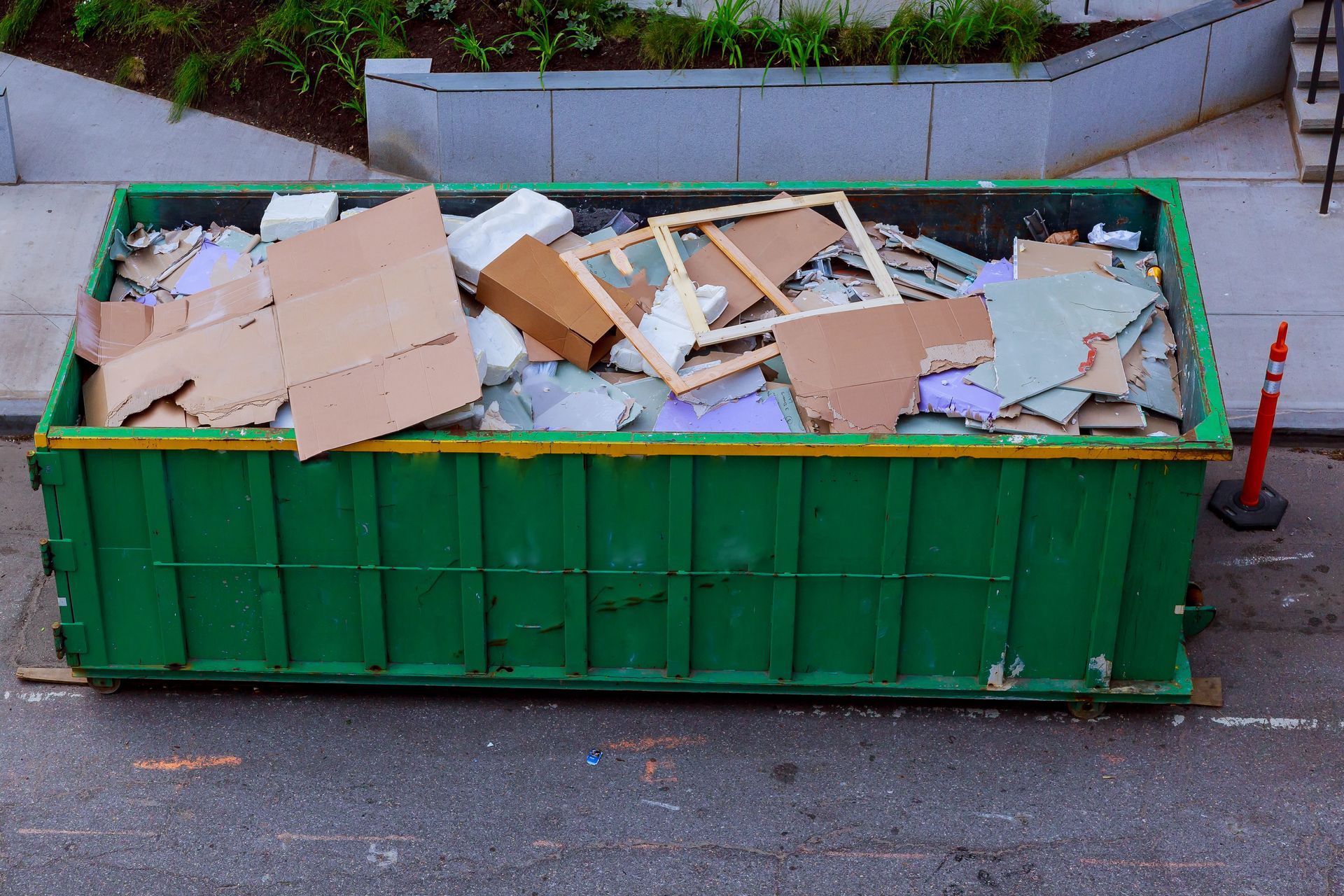
Large items like furniture, cabinets, or building materials consume enormous space when tossed in whole, but fit much more efficiently when disassembled or broken down. Taking time to remove cabinet doors, break down boxes, cut lumber into smaller pieces, and disassemble furniture dramatically increases how much debris fits in your container. This breakdown work requires additional effort but often means the difference between needing one rental versus two, creating substantial cost savings that justify the extra labor. Power tools like reciprocating saws make quick work of cutting large materials into manageable pieces that stack efficiently rather than creating wasted void spaces throughout your container.
Loading Strategically From Bottom to Top
Proper loading technique starts with placing flat, heavy items on the bottom to create stable bases, then filling around and above them with progressively lighter materials. This bottom-to-top approach prevents heavy items from crushing lighter materials and creates more stable loads that maximize usable capacity throughout the container. Loading larger items first allows you to fill voids around them with smaller debris that would create wasted space if placed randomly without strategic planning. Professional contractors experienced with roll off dumpster rentals understand these loading principles and can often fit surprising amounts of debris in containers through careful placement and strategic sequencing of different material types.
Uneven weight distribution can make containers unsafe to transport and may result in refusal to haul until you redistribute loads more evenly. Concentrating all heavy materials like concrete, dirt, or roofing shingles in one area creates transportation hazards and violates safe loading practices that rental companies require. Spreading weight throughout the container's length prevents overloading one end while leaving the other light, creating balanced loads that transport safely. Understanding weight limits for your container size and material types helps you avoid overage charges that occur when total weight exceeds contracted limits, regardless of whether you filled the container by volume.
Separating Materials for Recycling When Possible
Many rental companies offer lower rates for loads containing only specific recyclable materials like metal, concrete, or clean wood compared to mixed debris requiring landfill disposal. Separating valuable recyclables before loading creates opportunities for reduced disposal fees while supporting environmental responsibility through material recovery. Some projects generate substantial quantities of single material types that can be disposed of separately at lower costs than mixed loads. Discussing material separation options with your rental provider identifies opportunities for cost savings through recycling that benefit both your budget and environmental sustainability goals that increasingly influence how communities approach waste management.
Every roll off dumpster rental contract prohibits certain materials, including hazardous waste, electronics, tires, propane tanks, and other items requiring special disposal procedures. Including prohibited materials can result in substantial fines, refusal to haul your container, or requirements to remove banned items before pickup proceeds. Understanding these restrictions before loading prevents expensive complications and ensures smooth pickup when your rental period ends. Special disposal programs exist for most prohibited items, and planning for their proper disposal separately from your dumpster rental ensures compliance while disposing of all project debris appropriately.
Scheduling Delivery and Pickup Strategically
Coordinating delivery timing with project schedules ensures containers arrive when you're ready to begin generating debris rather than sitting empty while rental fees accumulate. Planning pickup shortly after project completion minimizes rental duration charges while ensuring adequate time to complete all debris removal. Many roll off dumpster rental providers offer flexible scheduling that accommodates project timeline changes, but advance notice allows better coordination than last-minute requests. Understanding your rental period inclusions and any daily charges for extended use helps you schedule efficiently and avoid unnecessary expenses from poor timing that extends rentals longer than actually needed for debris removal.
Overfilling containers beyond rim height creates transportation hazards and typically results in refusal to haul until you remove excess material to safe levels. Understanding fill limits and keeping debris level with or below container rims ensures pickup proceeds without delays or additional work removing overloaded material. Some lightweight materials can be loaded slightly above rims if they won't shift during transport, but heavy or loose materials must stay below rim level for safety. Monitoring fill levels throughout loading with your roll off dumpster rentals prevents overfilling situations requiring removal of materials you've already loaded into containers, wasting time and effort that proper attention to capacity would prevent.
Protecting Your Property During Rental Period
Heavy containers can damage driveways, lawns, or other surfaces where they sit for extended periods under substantial weight from accumulated debris. Requesting boards or protective barriers under containers prevents damage to concrete, asphalt, or pavement that can cost hundreds of dollars to repair after containers are removed. Choosing placement locations carefully, considering access, drainage, and surface protection, minimizes property impact while maintaining convenient loading access throughout your rental period. Understanding placement requirements and preparing sites before delivery ensures containers can be positioned optimally without creating property damage or access problems that complicate your project.
Detailed communication about your project scope, material types, expected debris volume, and any special requirements helps rental companies recommend appropriate solutions and avoid misunderstandings.
Discussing specific needs like extended rental periods, multiple pickups, or unusual debris types ensures proper planning and prevents surprise charges or service limitations. Asking questions about weight limits, prohibited materials, and rental terms before signing contracts prevents issues arising from misunderstood policies or incorrect assumptions. Professional roll off dumpster rental providers appreciate customers who communicate clearly and can often accommodate special requests or provide guidance that improves project outcomes when they understand specific needs and challenges upfront.
Maximizing efficiency from dumpster rentals requires planning, proper loading techniques, and understanding rental terms that affect costs and service quality. The strategies outlined here help you get maximum value from rentals while avoiding common mistakes that increase expenses or create complications during debris removal. Taking time to plan appropriately, load strategically, and communicate effectively with providers ensures smooth rental experiences that support successful project completion without waste management becoming a source of frustration or unexpected costs. Whether you need commercial dumpster rental, dumpster rental, or residential dumpster removal, Posadas Dumpsters Rental Corp provides same-day service backed by 15+ years of experience and convenient pickup services. For more information, contact us today!